
Software Backend System Design and Integration
Turning Field Devices into Reliable Backend Data
Hardware and dataloggers are only useful once their data reaches a backend that operators trust. I design the software layer between embedded devices and the systems people actually use: desktop apps for configuration and diagnostics, cross-platform C++/Qt tools for lab and field use, and Node.js services that take data off an IoT gateway and make it available to dashboards, databases, and existing infrastructure.

From Gateway to Backend Integration
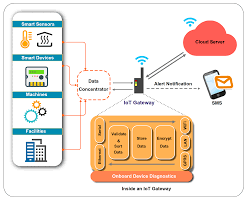
A typical integration starts at an IoT gateway: field sensors and devices connect in over their native protocols, the gateway handles onboard diagnostics and encryption, and alerts get pushed out over SMS or to a cloud server. My work picks up from there, building the backend services and client applications that consume that gateway data, normalise it, and connect it to whatever the client already runs, whether that's a SCADA-style dashboard, a database, or an existing ERP/asset system.
- C#/WPF desktop applications for device configuration, calibration, and diagnostics.
- Qt/C++ cross-platform tools where the same software needs to run on Windows and Linux field laptops.
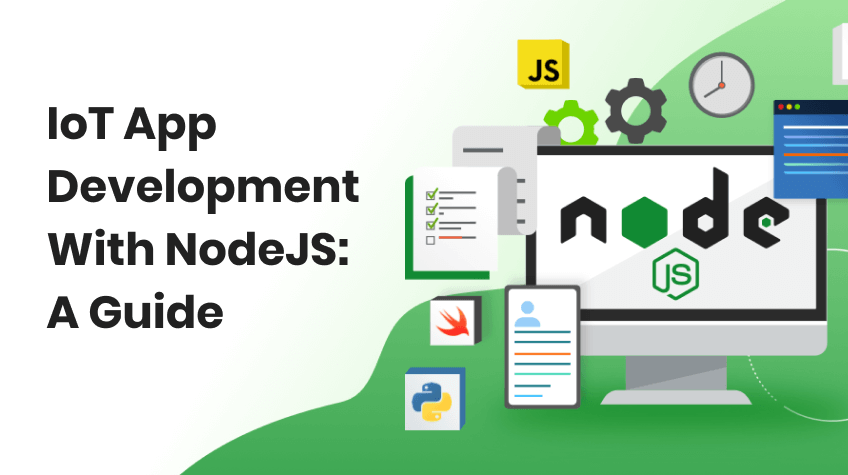
- Node.js services that pull data off IoT gateways and expose it via APIs to dashboards and databases.
- Integration with existing infrastructure so new hardware doesn't require replacing the client's current systems.
The priority throughout is reliability over novelty: backend services that keep running unattended, clear error handling when a device or link drops, and integration paths that respect whatever backend the client has already invested in rather than forcing a rebuild.